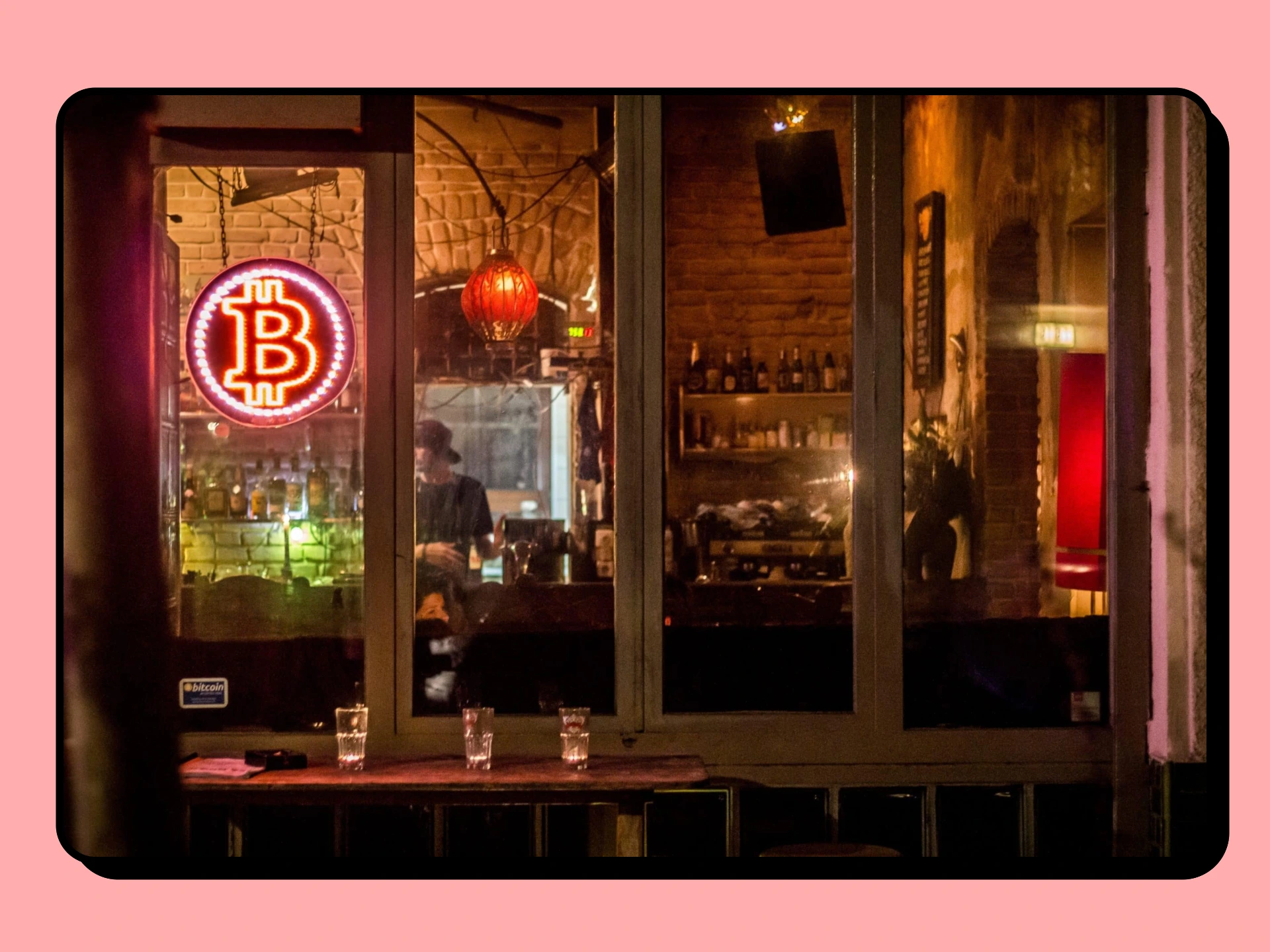
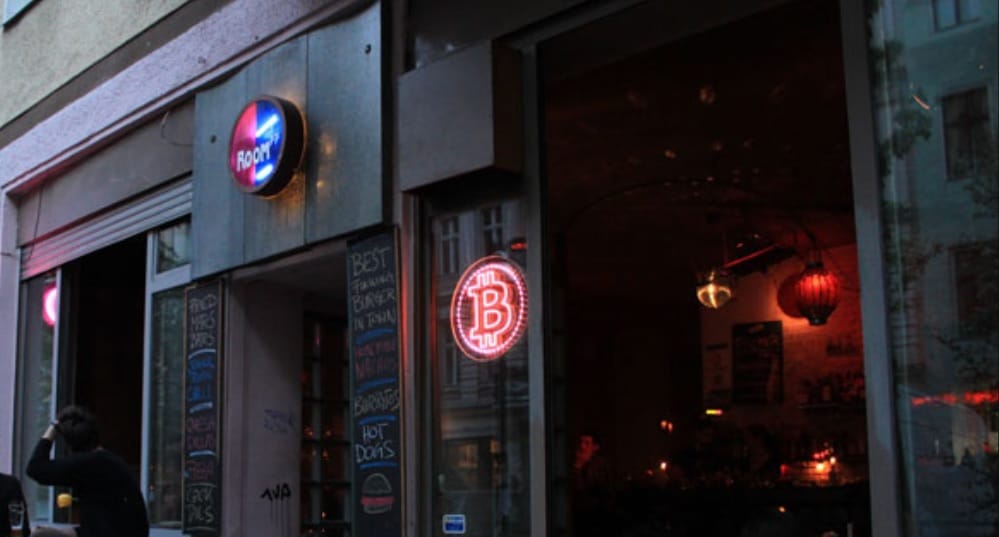
Room77 stood at Graefestraße 77 in Berlin’s Kreuzberg district. The bar opened in the mid-2000s, before Bitcoin existed. Its owner, Jörg Platzer, had a background in information technology and an interest in cryptography. In 2011, it began accepting bitcoin for food and drinks — long before such payments became a familiar topic in the business press. Room77 became known as the first brick-and-mortar business to accept bitcoin and one of the best-known early examples of its everyday use. Exberliner report, now published by The Berliner
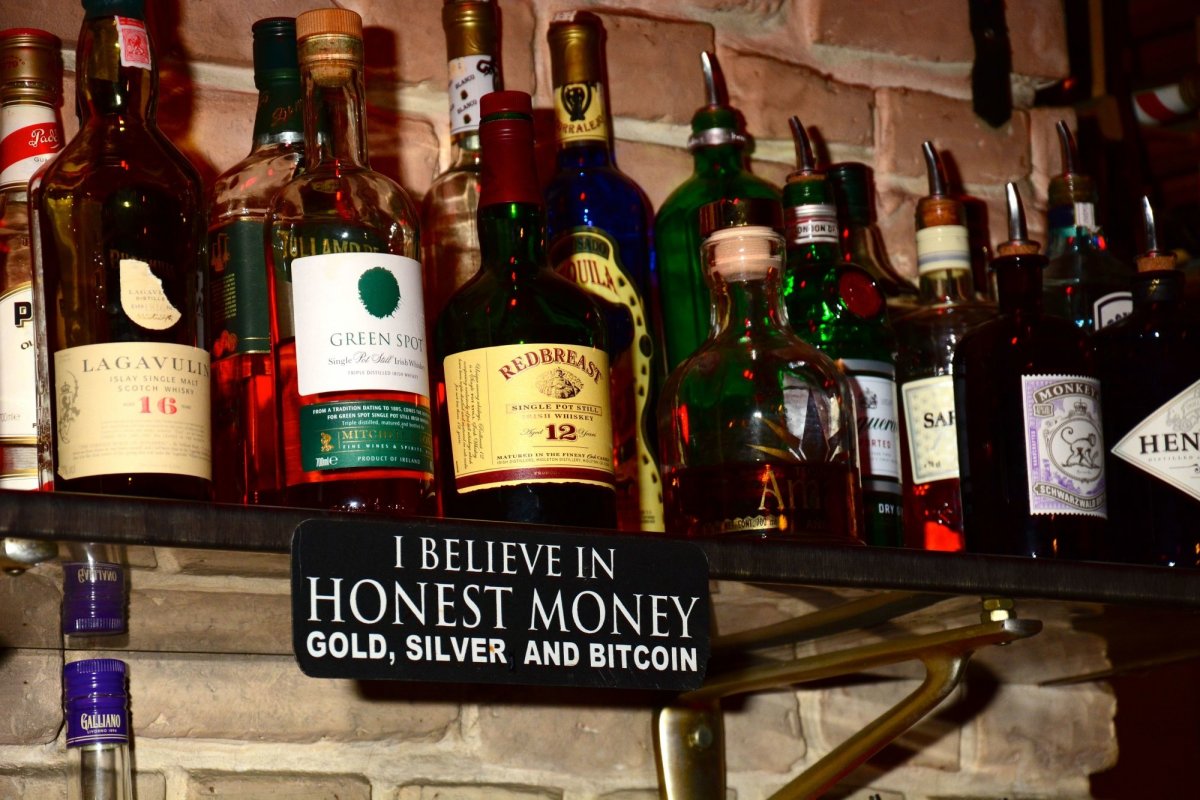
For Platzer, paying for dinner was part of a broader idea: money should work in everyday life. He later recalled trying to mine bitcoin without success, then deciding to put up a sign announcing that he accepted it instead. The bar gave newcomers a straightforward way to try an unfamiliar technology: walk in, order a meal and make their first purchase. Anita Posch’s interview with Platzer
A “Bitcoin neighborhood” — the Bitcoin Kiez — gradually formed around Room77. In November 2012, Platzer’s team reported helping nearby businesses accept BTC: the Italian restaurant Primo Maggio, the cocktail bar Fabelhaft and the record shop Longplayer. People abroad were encouraged to invite their Berlin friends out for dinner and pay their bills remotely. It was a practical demonstration of money that could move across national borders. Room77’s announcement, report on bringing neighboring businesses on board
The bar also became a meeting place for people building Bitcoin. Regular meetups took place on the first Thursday of each month. Those attending on August 1, 2013 included developer Amir Taaki, bitcoin.de operator Oliver Flaskämper, Cody Wilson, Mike Gogulski, and Bitcoin Magazine co-founders Mihai Alisie and Vitalik Buterin. Buterin described the gathering in his report on Berlin’s Bitcoin scene. Bitcoin Magazine, August 2013
Room77 connected the local community with visitors from abroad. On the eve of the Inside Bitcoins Berlin conference in February 2014, the hosts of the Epicenter podcast recorded a special episode at the bar with its patrons and conference participants. Their guests included Platzer, David Bailey, Matt Roszak and musician Tatiana Moroz. The recording offers a glimpse of the conversations and ideas circulating through that community. Epicenter: Live from Room 77
The bar continued to serve as a testing ground. In a post dated April 2, 2017, its representative described setting up a Lightning node and receiving the first payments from customers on the test network. These used test coins rather than real BTC, but the experiment showed how closely development and hands-on experience went together at Room77. Room77’s post on BitcoinTalk
On October 18, 2020, Platzer announced that Room77 was closing for good. His farewell post took the form of a science-fiction story: the team had concluded that Bitcoin could no longer be stopped, accomplished its mission and could now return home to the stars. Behind the joke lay the history of a place where people had spent years meeting, debating and learning to use a new kind of money. That was part of Room77’s contribution to Bitcoin: a distributed network had a very real address in Berlin. The owner’s farewell post